Building a structure, whether it’s a small boundary wall or a multi-story building, involves numerous crucial decisions. One such decision is choosing the right materials, and block jointing mortar plays a pivotal role in the strength and longevity of your construction. But how much does it cost? Understanding the cost of block jointing mortar is essential for accurate budgeting and project planning. This blog post will break down the factors influencing the price and help you make informed decisions.
What is Block Jointing Mortar?
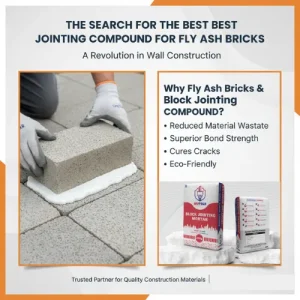
Before diving into costs, let’s briefly define what block jointing mortar is. It’s a specialized mix used to bind masonry blocks (like concrete blocks, fly ash bricks, etc.) together. It provides adhesion, strength, and durability to the structure. Unlike traditional mortar, modern block jointing mortars often come pre-mixed, offering consistent quality and ease of use.
Factors Affecting the Cost of Block Jointing Mortar:
Several factors contribute to the overall cost of block jointing mortar:
- Type of Mortar: Different formulations exist, each with varying properties and costs. For example, some mortars are designed for specific types of blocks or offer enhanced performance characteristics like faster setting times or increased strength. Specialty mortars will typically cost more than general-purpose ones.
- Quality of Ingredients: The quality of the raw materials used in the mortar mix directly impacts the final product’s cost. Higher-grade cement, aggregates, and additives will usually result in a more expensive, but often superior, mortar.
- Packaging and Quantity: Mortar is typically sold in bags or bulk. Larger quantities often come with a lower per-unit cost. Packaging also plays a role; specialized packaging for moisture protection might increase the price.
- Brand Reputation: Established brands with a proven track record of quality and performance may command a premium price compared to lesser-known brands. However, this often comes with the assurance of consistent quality and reliability.
- Location: Prices can vary significantly based on your geographical location. Transportation costs, local market demand, and availability of materials can all influence the price you pay.
- Labor Costs (Indirect Cost): While not the direct cost of the mortar itself, labor costs are a significant factor. Using a high-quality, easy-to-use mortar can potentially reduce labor time and associated costs.
- Market Fluctuations: Like any commodity, the price of block jointing mortar can fluctuate based on market conditions, including changes in raw material prices, supply and demand dynamics, and even seasonal variations.
Tips for Managing Block Jointing Mortar Costs:
- Accurate Estimation: Calculate the required quantity of mortar accurately to avoid overbuying or running short. Consult with experienced contractors or use online calculators for precise estimations.
- Compare Prices: Get quotes from multiple suppliers to compare prices and find the best deals. Don’t just focus on the lowest price; consider the quality and brand reputation as well.
- Bulk Purchases: If your project requires a large quantity of mortar, consider buying in bulk to take advantage of potential discounts.
- Negotiate with Suppliers: Don’t hesitate to negotiate with suppliers, especially for large orders.
- Consider Pre-mixed Mortar: While pre-mixed mortars might seem slightly more expensive upfront, they offer consistency and can potentially reduce labor costs and material wastage.
- Proper Storage: Store the mortar properly to prevent it from getting damaged or losing its properties. This can help you avoid wastage and additional costs.
Conclusion:
Understanding the cost of block jointing mortar is crucial for successful project budgeting. By considering the factors outlined in this blog post and following the tips provided, you can make informed decisions and ensure that you get the best value for your money without compromising on quality. Remember to balance cost with quality and performance to ensure the long-term integrity and durability of your construction project.