Sustainable construction isn’t just a buzzword; it’s a critical shift in how we design, construct, and operate buildings to minimize environmental impact while maximizing social and economic benefits. At the heart of this transformation are advanced building materials, offering innovative solutions that are reshaping eco-friendly practices and paving the way for a greener tomorrow.
The roar of excavators, the towering cranes, the very act of building—it’s all synonymous with progress. Yet, the construction industry, while essential, carries a significant environmental footprint. Globally, the built environment accounts for a staggering 39% of gross annual carbon emissions, and construction itself consumes around half of the world’s natural resources. It’s a wake-up call, urging us to rethink how we build.
The Pillars of Sustainable Construction: Practices and Principles
Sustainable construction goes beyond simply using “green” products; it’s a holistic approach built on several key principles. First, there’s Resource Conservation. This means minimizing the consumption of virgin resources, maximizing reuse and recycling, and prioritizing renewable materials.
Furthermore, Energy Efficiency is crucial. From design to operation, the goal is to drastically reduce energy consumption. This includes strategies like passive solar design, optimal insulation, and integrating high-efficiency systems. Waste Minimization is also a core tenet, as the industry is notorious for waste. Sustainable practices focus on reducing construction and demolition waste, often through prefabrication and efficient material use.
Environmental Protection is paramount; this involves protecting natural habitats, avoiding sensitive ecosystems, and minimizing pollution during all phases of construction. Ensuring Healthy Indoor Environments is another vital principle, which means ensuring good indoor air quality, ample natural light, and using non-toxic materials to contribute to occupant well-being. Finally, effective Water Management through implementing rainwater harvesting, greywater recycling, and efficient fixtures helps conserve this vital resource.
Innovating with Advanced Building Materials
The evolution of building materials is central to achieving these sustainable goals. These innovative materials are not only reducing environmental impact but also enhancing energy efficiency and improving overall building performance.
Let’s explore some categories of these groundbreaking materials:
Recycled and Upcycled Materials
Giving new life to old materials significantly reduces landfill waste and the energy needed for virgin production.
- Recycled Steel: A powerhouse of sustainability, recycled steel requires significantly less energy to produce than new steel and is endlessly recyclable. Its durability makes it a cornerstone of resilient structures.
- Recycled Glass: Beyond aesthetics, recycled glass finds new purpose in eco-friendly flooring, countertops, and even as an aggregate in concrete.
- Reclaimed Wood: Sourcing wood from old buildings or structures not only saves trees but also adds unique character and history to new constructions.
- Recycled Plastic: Innovative processes are transforming plastic waste into durable and versatile building components, helping to tackle the global plastic crisis.
Bio-based and Natural Materials
Harnessing nature’s bounty responsibly provides materials with excellent performance and low environmental footprints.
- Bamboo: This rapidly renewable grass matures in just 3-5 years, making it an incredibly sustainable alternative to traditional timber. It’s lightweight, strong, and highly flexible.
- Hempcrete: A fascinating mix of hemp hurds, water, and lime, hempcrete is lightweight, strong, insulative, fire-resistant, and even boasts a negative carbon footprint as it sequesters CO2 during growth.
- Rammed Earth/Earthen Structures: Ancient techniques like adobe and cob are making a comeback. These structures use readily available natural resources, offer excellent thermal mass for natural heating and cooling, and provide superior insulation.
- Mycelium: The root structure of fungi can be cultivated to create lightweight, biodegradable, and strong bricks and insulation panels.
- Cork: Sustainable, strong, and an excellent insulator, cork is also naturally fire-resistant and hypoallergenic, making it ideal for flooring and insulation.
- Straw Bales: Often seen in natural building, straw bales provide exceptional natural insulation, contributing significantly to energy-efficient designs.
High-Performance and Low-Impact Engineered Materials
Science and engineering are leading to materials that push the boundaries of performance while minimizing environmental harm.
- Low-Carbon Concrete (Green Concrete): Traditional concrete production is carbon-intensive. Green concrete uses alternative binders like fly ash or slag and recycled aggregates to significantly reduce its carbon footprint without compromising strength.
- Insulated Concrete Forms (ICFs): These interlocking foam blocks filled with concrete create incredibly energy-efficient and durable walls. ICFs offer superior insulation, leading to massive energy savings and increased resilience against natural disasters.
- Self-Healing Concrete: Imagine concrete that repairs itself! This innovative material incorporates microorganisms or capsules that release healing agents when cracks appear, extending the lifespan of structures and drastically reducing maintenance needs.
- Carbon Fiber Reinforcement: With an exceptional strength-to-weight ratio, carbon fiber is increasingly used to reinforce concrete and other materials, leading to lighter, more durable, and longer-lasting structures.
- Transparent Aluminum (Aluminum Oxynitride): Stronger and more durable than traditional glass, this advanced ceramic is being explored for transparent facades, offering superior performance and energy efficiency.
- Advanced Glazing Technologies: Modern windows feature multiple panes, special coatings, and gas fills to minimize heat transfer, significantly improving a building’s thermal performance.
The Impact: Benefits of Choosing Sustainable Materials
The adoption of sustainable practices and advanced materials yields a cascade of benefits, transforming the built environment for the better.
Environmental Benefits
- Reduced Greenhouse Gas Emissions: By opting for materials with lower embodied energy and promoting energy efficiency, we significantly cut carbon footprints.
- Conservation of Natural Resources: Less reliance on virgin materials helps preserve finite resources and reduce habitat destruction.
- Minimized Waste and Pollution: Recycling, reuse, and efficient construction methods divert vast amounts of waste from landfills and reduce environmental contamination.
- Improved Water Management and Biodiversity: Thoughtful site planning and water-efficient designs contribute to healthier ecosystems.
Economic Benefits
- Long-Term Cost Savings: Reduced energy consumption from efficient designs and lower maintenance needs for durable materials lead to significant operational savings over a building’s lifespan.
- Increased Property Value: Buildings with green certifications (like LEED or BREEAM) often command higher market values and attract environmentally conscious buyers and tenants.
- Financial Incentives: Governments and local bodies increasingly offer tax breaks, grants, and other perks for sustainable construction projects.
- Bolstering Local Economies: Prioritizing locally sourced materials and labor can stimulate regional economic growth.
Social and Health Benefits
- Healthier Indoor Environments: Sustainable buildings often feature better air quality (due to low-VOC materials and improved ventilation), more natural light, and comfortable thermal conditions, leading to healthier occupants.
- Improved Occupant Well-being: Studies show that occupants in green buildings often report higher levels of comfort, productivity, and overall well-being.
Shaping the Future: Emerging Trends and Technologies
The journey towards a sustainable built environment is continuous, fueled by ongoing innovation and emerging technologies.
- Digitalization and Smart Technologies:
- Building Information Modeling (BIM) and Digital Twins: These powerful tools optimize designs, minimize material waste, ensure efficient resource use, and provide real-time data for predictive maintenance and operational efficiency.
- Artificial Intelligence (AI) and Internet of Things (IoT): Smart sensors and AI-driven systems are optimizing energy consumption, enhancing waste management, and even predicting maintenance needs for greater sustainability.
- Advanced Construction Methods:
- Modular and Prefabricated Construction: Building components off-site in controlled environments significantly reduces waste, shortens construction times, and improves quality control.
- 3D Printing: This revolutionary technology is minimizing material waste, accelerating construction, and offering unprecedented design flexibility for creating complex, sustainable structures.
- Circular Economy Principles: Moving away from a linear “take-make-dispose” model, the industry is increasingly embracing circularity—designing buildings for deconstruction, maximizing material reuse, and developing closed-loop systems.
- Net-Zero and Regenerative Buildings: The ultimate goal is buildings that produce as much energy as they consume (net-zero) or even go further by capturing carbon, purifying air, and promoting biodiversity (regenerative).
- Biophilic Design: Integrating natural elements and patterns into building design fosters a deeper connection between occupants and nature, improving well-being and reducing stress.
- Stricter Certifications and Regulations: Evolving green building standards, like LEED v5’s focus on decarbonization, are driving higher levels of environmental performance across the industry.
Gritolo’s Role in a Sustainable Future
As the construction industry marches towards a more sustainable future, the role of high-quality, innovative building materials becomes even more critical. In this context, Gritolo Global India Private Limited stands at the forefront of this evolution, providing customized solutions that contribute to the longevity, performance, and sustainability of modern structures.
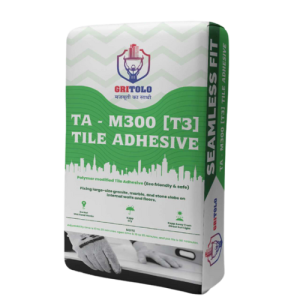
Whether it’s our advanced tile adhesives ensuring long-lasting finishes, our robust ready-mix plasters enhancing durability, or our specialized block jointing mortars contributing to efficient construction, Gritolo’s products are designed with an eye on both performance and responsible building. Therefore, by focusing on quality and innovation, we align with the principles of efficient resource use and durable construction, which are cornerstones of sustainable development.
The future of construction is green, smart, and resilient. By embracing advanced building materials and sustainable practices, we’re not just erecting structures; we’re building a better, healthier planet for generations to come.
Read more about “How to Choose the Right Floor Hardener”